Blog article
Culture spotlight : monday.com, if it matters, everyone should hear it
monday.com wired its dashboard to a speaker so no one could miss the numbers. Here's the culture behind it, and what it costs to keep.


People do what gets rewarded. At Wells Fargo, employees secretly opened accounts customers never asked for so they could hit sales targets and earn bonuses, according to the Consumer Financial Protection Bureau. Josh Levine uses Wells Fargo as his example of rewarding the wrong thing, and his book Great Mondays gives CHROs a way to catch that kind of problem early. Culture has six parts, and a company can design each one on purpose.
Levine founded the culture design firm Great Mondays, and his 2018 book, Great Mondays: How to Design a Company Culture Employees Love, names six parts: purpose, values, behaviors, recognition, rituals and cues. Levine says openly that none of the six ideas are new, and his contribution is a method for designing all six. Each chapter comes with exercises, quick starts, worksheets and checklists.
The first three parts set the direction, and the last three keep it alive in daily work.
Great Mondays describes purpose as "the motivating force, the North Star of an organization that both inspires and guides." Levine's examples include Credit Karma, whose purpose is "to help people be their best financial selves," and Kellogg's, whose purpose is "to nourish families so they can flourish and thrive."
Values are "the powerful culture guardrails that establish behavioral expectations of employees and leaders." Levine says good values are brief, well defined, unique and limited to five, and ideally each one ends in a question. Percolate, one company he cites, has a value called Advocacy that comes with the question "How is what I'm doing helping to build advocates?"
Behaviors are "the culturally-aligned symptoms and actions of a work culture." This is the part people see every day in meetings and project work.
Recognition covers "the ways in which organizations can more effectively reward employees." Levine says the common failure is rewarding the wrong things, accidentally, hence Wells Fargo.
Rituals are "the regular activities that create and strengthen relationships between individuals." Levine says "Relationships are the synapses of culture," and he says research suggests people can know about 50 colleagues well, so groups and silos form once a company grows past that size. His examples range from a holiday party to a book club, and one of the simplest is a Swedish company and its US subsidiary that stop every day for tea and biscuits.
Cues are "the physical and behavioral reminders designed to reconnect everyone to the organization's purpose and goals for the future." Levine describes a San Francisco company that marked each glass conference room door with a symbol telling part of the company story.
Two of the six, behaviors and recognition, are the ones a manager shapes most. They play out in meetings, one on ones and feedback conversations, which managers run every week, and a manager also decides whether a team lunch or a daily tea break happens at all. A company can write a strong purpose and five sharp values, and the culture people feel still gets set by what each manager praises, corrects and makes time for on a Tuesday afternoon.
A CHRO can use the six parts as a quick self-check on a normal week.
| Part | Where it lives day to day | Self-check for a CHRO |
|---|---|---|
| Purpose | All hands meetings, hiring conversations | Ask three recent hires to state it in one sentence. |
| Values | Hiring, promotion and performance decisions | Confirm there are five or fewer, each tied to a behavior. |
| Behaviors | Meetings, one on ones, project work | Name the three behaviors managers should model this quarter. |
| Recognition | Praise, bonuses, promotions | Compare what got rewarded last quarter with the values. |
| Rituals | Team lunches, recurring meetings, onboarding | List the rituals each team runs and who keeps them going. |
| Cues | Office spaces, tools, shared documents | Note what reminds people of the purpose. |
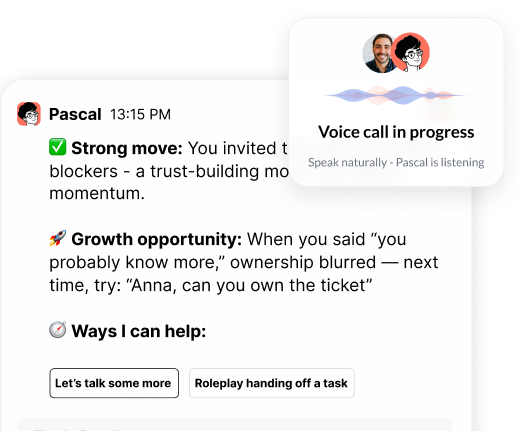
Behaviors and recognition happen inside real conversations, which is where an AI coach can help. A company gives Pascal, Pinnacle's AI coach, the specific behaviors that matter to the organization, and it reinforces them in the feedback and coaching it gives after real meetings. Each person's coaching conversations with Pascal stay private. HR and executives see aggregated, anonymized insights, and only for groups large enough to protect anonymity.
In an excerpt from the book's chapter on cues, Levine shares a story from Dave Gray, founder of the design firm XPLANE. XPLANE drew a visual map of the culture it wants, a picture people can point to and talk about, and Gray says that "The intern with only two days on the job can start a conversation that questions the CEO who has been around since the beginning of the company."
For CHROs and heads of L&D, the task is to make all six parts visible, then check that behaviors and recognition show up in the meetings and one on ones managers run every week.



“Thank you for setting the great foundation for my promotion; now I have a plan!"

Curious to see how AI Coaching can 10X the impact and scale of your development initiatives. Book a demo today for: