
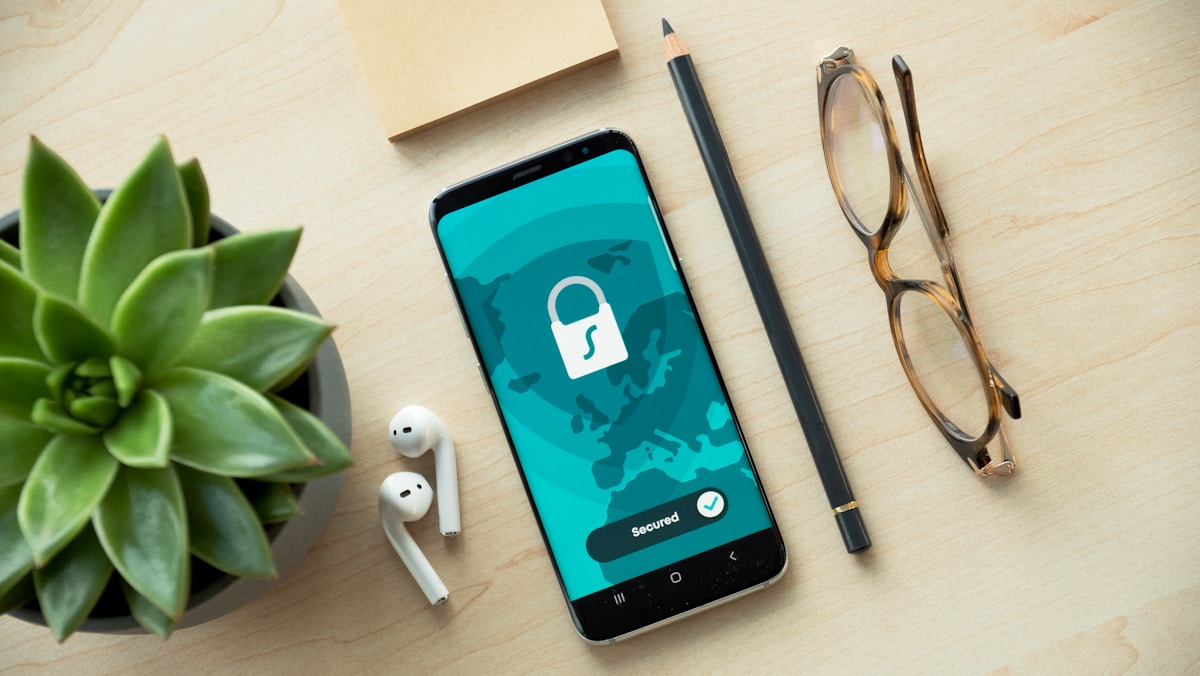
Three requirements matter most: SOC2 Type II compliance (proving audited security controls), user-level data isolation (preventing conversation leakage between employees), and human escalation protocols (routing sensitive topics to HR). Everything else is secondary. Organizations that skip these expose themselves to data breaches, regulatory penalties, and adoption collapse when employees discover their conversations lack protection.
Managers won't discuss real performance issues, team conflicts, or leadership struggles unless they trust the system. When they share authentic workplace scenarios instead of sanitized versions, coaching works. When they don't, it fails.
The stakes: 78% of companies now use AI in HR functions, but most lack adequate security frameworks. Organizations deploying AI coaching without proper safeguards face data breach exposure (conversations contain performance data, compensation discussions, interpersonal dynamics), regulatory penalties (the EU AI Act took effect February 2025, banning certain workplace AI applications and mandating AI literacy requirements), and trust erosion (once employees discover inadequate protection, adoption collapses).
Security requirements encompass technical infrastructure, operational governance, and ethical safeguards working together to protect employee data while enabling personalized guidance. AI coaching security differs from generic software security because the platform processes sensitive workplace conversations, observes meeting dynamics, and generates recommendations that influence career trajectories.
The International Coaching Federation's 2025 AI Coaching Framework establishes that security hinges on three principles: confidentiality (only authorized individuals access coaching data), integrity (preventing unauthorized modification of records or recommendations), and availability (maintaining reliable access while protecting against service disruptions).
For AI coaching, security requirements extend beyond traditional IT controls:
Technical layer: End-to-end encryption for data in transit and at rest, SOC2 Type II compliance demonstrating audited security controls, zero-day data retention options for regulated industries, secure infrastructure (AWS, Azure, or equivalent enterprise-grade hosting), and SSO integration for enterprise identity management.
Operational layer: User-level data isolation preventing conversation leakage between employee accounts, granular access controls defining who can view aggregated insights, customizable data retention policies aligned with organizational risk tolerance, audit trails tracking all data access and system changes, and clear data processing agreements specifying how employee information is used.
Ethical layer: Transparent AI decision-making showing how recommendations are generated, human escalation protocols for sensitive topics (harassment, discrimination, mental health), explicit consent mechanisms for data collection and processing, prohibition on training AI models using customer data, and anonymous aggregation for organizational insights.
AI coaching platforms process unstructured conversational data through continuous real-time analysis. A performance management system stores structured data points (ratings, goals, review dates). An AI coach processes nuanced conversations about team dynamics, leadership struggles, and interpersonal conflicts.
This creates different security requirements. When an employee discusses a difficult conversation with their manager, they're sharing context that doesn't fit into structured database fields. This requires security architectures that protect conversational nuance while enabling personalized guidance.
Meeting integration illustrates the difference. Platforms that join Zoom and Google Meet sessions to provide real-time coaching require explicit consent mechanisms, clear data retention policies, and the ability to blacklist sensitive meetings. A tech company with 500 employees might allow meeting observation for customer-facing teams while blacklisting executive strategy sessions. Traditional HR systems never needed these granular controls.
For regulated industries, the differences become more pronounced. Healthcare companies cannot sign Business Associate Agreements (BAAs) with most AI coaching vendors, requiring alternative approaches: piloting with teams that don't access protected health information (PHI), using zero-day retention that processes data without storage, or integrating with already-approved tools.
Five controls are non-negotiable: SOC2 Type II compliance, end-to-end encryption, secure cloud infrastructure, SSO integration, and data residency options.
SOC2 Type II compliance demonstrates that a vendor has undergone independent audits of their security controls over time, not just at a single point. A vendor claiming "we take security seriously" without SOC2 certification asks you to trust their word over verified evidence. Request copies of SOC2 reports and review the scope—some vendors obtain certifications for limited portions of their platform while marketing them as comprehensive coverage.
End-to-end encryption protects data both in transit (as it moves between employee devices and servers) and at rest (when stored in databases). For AI coaching, encryption must extend to meeting transcripts, chat logs, and behavioral insights.
Secure cloud infrastructure means hosting on enterprise-grade platforms (AWS, Azure, Google Cloud) with proper configuration. The vendor should provide documentation of their infrastructure security controls: network segmentation, access logging, and intrusion detection.
SSO integration allows organizations to manage AI coaching access through existing identity systems (Okta, Azure AD, Google Workspace). When an employee leaves or changes roles, their AI coaching access updates automatically. Without SSO, organizations face orphaned accounts with ongoing access to sensitive coaching data.
Data residency options matter for multinational organizations subject to varying data protection laws. Some jurisdictions require that employee data remain within specific geographic boundaries.
User-level data isolation is the most critical operational control. When Manager A discusses a performance issue with their AI coach, that conversation cannot leak into Manager B's coaching experience—even if they work on the same team. This requires data architecture that maintains strict boundaries between user accounts.
Granular access controls define who can view aggregated insights versus individual coaching data. HR leaders need visibility into organizational patterns (which teams struggle with delegation, where feedback quality is lowest) without accessing individual coaching conversations. The platform should provide role-based access that separates individual coaching data (accessible only to the employee), team-level insights (accessible to managers for their direct reports), and organizational analytics (accessible to HR and executive leadership).
Customizable data retention policies allow organizations to align AI coaching with their risk tolerance and regulatory requirements. Some organizations want zero-day retention that processes data without storage, particularly for sensitive meetings or regulated industries. Others prefer rolling retention periods (30 days, 90 days, one year) that balance coaching effectiveness with privacy protection.
Audit trails track every access to coaching data, every system configuration change, and every escalation to human oversight. When a sensitive topic triggers human review, the audit trail should document who reviewed the conversation, what action was taken, and when the issue was resolved.
AI coaches must recognize when conversations exceed their capability and escalate to appropriate human expertise. This requires moderation systems that flag sensitive topics, clear escalation protocols that route issues to HR or legal teams, and transparent communication with employees about when human oversight occurs.
Sensitive topics include harassment allegations, discrimination concerns, mental health crises, legal compliance questions, and situations involving physical safety. AI coaches should not attempt to resolve these issues independently. Instead, they should acknowledge the sensitivity, provide immediate resources (employee assistance programs, HR contact information), and alert appropriate personnel while respecting employee privacy.
The escalation process must balance employee privacy with organizational responsibility. Employees should know that certain topics trigger human review—this transparency builds trust. The platform should clearly communicate what happens during escalation: who reviews the conversation, what information is shared, and what follow-up occurs.
For topics that don't require immediate escalation but exceed AI coaching capability, the platform should provide clear limitations. When a manager asks about complex legal compliance questions, the AI coach should acknowledge the question's importance, provide general guidance grounded in established frameworks, and recommend consulting legal or HR experts for definitive answers.
The EU AI Act, which took effect in February 2025, bans certain AI applications including emotion recognition and manipulative systems in the workplace. Organizations using AI coaching must demonstrate compliance with these prohibitions and implement mandatory AI literacy requirements.
GDPR and CCPA establish baseline data protection requirements: explicit consent for data collection, right to access and deletion, data minimization principles, and breach notification obligations. For AI coaching, this means employees must explicitly consent to meeting observation, conversational data collection, and behavioral analysis. The platform must provide mechanisms for employees to access their coaching data, request deletion, and understand how their information is used.
New York City, Illinois, and other jurisdictions require employers to retain automated decision data for four years. This applies when AI coaching influences performance evaluations, promotion decisions, or other employment outcomes. Organizations must maintain records of AI recommendations, the data used to generate them, and how those recommendations were incorporated into human decisions.
Industry-specific regulations add additional layers. Healthcare organizations must comply with HIPAA when AI coaching involves protected health information. Financial services firms must meet SEC and FINRA requirements for electronic communications and record retention. Government contractors face FAR and DFARS requirements for data security and access controls.
Vendor security claims require verification through documentation, third-party audits, and customer references. Request specific evidence rather than accepting marketing statements.
Start with compliance certifications: request copies of SOC2 Type II reports, ISO 27001 certificates, and GDPR compliance documentation. Review the scope of these certifications—some vendors obtain certifications for limited portions of their platform while marketing them as comprehensive coverage.
Examine the vendor's security architecture through technical documentation: network diagrams showing data flow, encryption specifications for data in transit and at rest, access control matrices defining who can view different data types, and incident response procedures for security breaches. Request information about penetration testing frequency, vulnerability management processes, and security training for vendor employees.
Evaluate data handling practices through the vendor's Data Processing Agreement: where employee data is stored and processed, whether the vendor uses subprocessors and who they are, data retention periods and deletion procedures, and whether customer data is used to train AI models.
Talk to existing customers about their security experience: how the vendor handled security questions during procurement, whether any security incidents occurred and how they were resolved, how responsive the vendor is to security concerns, and whether the platform meets the customer's internal security standards.
Test the vendor's security responsiveness by asking detailed technical questions: how does user-level data isolation work architecturally, what happens when an employee leaves the organization, how are meeting transcripts encrypted and stored, and what audit capabilities exist for tracking data access. Vendors with mature security programs will answer these questions specifically. Vendors with immature programs will provide generic responses.
Your vendor evaluation should include specific security questions that reveal architectural decisions, not just compliance checkboxes.
Data architecture: How is employee data isolated between individual users? Can coaching conversations from one employee ever influence another employee's experience? Where is our data stored geographically, and can we specify data residency? How long is data retained, and can we customize retention periods? What happens to our data if we terminate the contract?
Access control: Who within your organization can access our employee data? How do you control access to production systems? What audit trails exist for tracking data access? How do you handle employee offboarding and access revocation? Can we integrate with our existing SSO provider?
Meeting observation: How do you obtain consent for meeting observation? Can employees blacklist specific meetings from observation? How are meeting transcripts encrypted and stored? Who can access meeting transcripts and behavioral insights? What happens to meeting data if an employee requests deletion?
AI models: Do you train your AI models using customer data? How do you prevent data leakage between customer organizations? What data is used to personalize coaching recommendations? How do you ensure AI recommendations don't introduce bias? Can we audit how AI decisions are made?
Incident response: What is your process for detecting and responding to security incidents? How quickly would you notify us of a data breach? What is your track record of security incidents? Do you have cyber insurance, and what does it cover? How do you test your incident response procedures?
• Three requirements matter most: SOC2 Type II compliance (proving audited security controls), user-level data isolation (preventing conversation leakage), and human escalation protocols (routing sensitive topics to HR)
• User-level data isolation means coaching conversations remain completely separate between individual employees—when Manager A discusses a performance issue, that conversation cannot leak into Manager B's experience
• The EU AI Act took effect February 2025, banning certain workplace AI applications and mandating AI literacy requirements
• Vendor security claims require verification through SOC2 reports, technical architecture documentation, and customer references—marketing statements are insufficient
• Meeting observation requires explicit consent mechanisms, customizable retention policies, and the ability to blacklist sensitive conversations
Ready to see how enterprise-grade security enables authentic coaching conversations? Explore how Pascal protects employee data while delivering personalized guidance.
Header photo by Dan Nelson on Unsplash

.png)
.webp)
“Thank you for setting the great foundation for my promotion; now I have a plan!"

Curious to see how AI Coaching can 10X the impact and scale of your development initiatives. Book a demo today for: