
AI coaching observes virtual meetings, analyzes communication patterns, and delivers feedback within hours. The question isn't whether AI can coach—it's whether your organization needs better coaching delivery at scale.
Consider AI coaching if your managers struggle with consistent feedback delivery, your leadership development budget serves less than 10% of people leaders, or your last training initiative saw engagement drop below 30% after three months.
Skip this if you have fewer than 50 managers (human coaching scales better at that size), your teams work primarily offline or in-person (the technology requires virtual meetings), or your organization lacks basic performance management infrastructure (AI coaching amplifies existing systems, it doesn't replace them).
The business problem AI coaching solves: managers know what good leadership looks like but don't apply it consistently. Training happens once. Behavior happens daily. AI coaching closes that gap by delivering feedback at the moment of need.
An AI system joins your Zoom, Teams, or Google Meet calls as a participant. It transcribes the conversation, analyzes communication patterns against coaching frameworks (Situation-Behavior-Impact feedback, GROW goal-setting, active listening techniques), then sends personalized feedback within hours.
A manager finishes a 1:1 with a struggling team member. Two hours later, she receives a message in Slack: "In today's conversation with Jordan, you asked three questions but didn't pause for answers. Try the 3-second rule: count to three after asking before speaking again. Jordan mentioned workload twice—this might need a follow-up conversation."
The system connects to your HRIS to understand reporting structure and tenure, your calendar to detect meeting types, and your performance management system to align feedback with individual development goals. Without this context, every coaching conversation starts from scratch.
Three integration models exist. Post-meeting analysis reviews transcripts and delivers feedback within hours (least intrusive, highest initial adoption). Daily rollups aggregate insights across multiple meetings into a single morning briefing and evening summary (reduces notification fatigue). Live companion mode provides real-time suggestions during conversations (highest impact, requires manager opt-in).
Meeting-integrated AI coaching runs $50-150 per manager monthly ($600-1,800 annually). Executive coaching costs $3,000-15,000 per leader yearly and serves fewer than 5% of your management population. Learning management systems cost $200-800 per user annually but see engagement drop to 10-20% after the initial rollout, according to Brandon Hall Group's 2023 Learning Systems Study.
AI scales to every manager. Human coaching doesn't. AI delivers feedback within hours of the behavior. Human coaching happens weeks later. AI observes actual meetings. Human coaches rely on self-reporting.
But AI coaching can't handle complex interpersonal dynamics, crisis intervention, or situations requiring nuanced judgment. A manager navigating a team conflict involving harassment allegations needs a human coach and HR support, not an algorithm.
The effective approach: AI for daily guidance across all managers, human coaching for C-suite transitions and sensitive situations, LMS for compliance training. A 200-person company with 30 managers might spend $36,000 annually on AI coaching for everyone, $30,000 on human coaching for five senior leaders, and $8,000 on LMS for required training—$74,000 total instead of $90,000-450,000 for human coaching alone.
As Melinda Wolfe, former CHRO at Bloomberg, Pearson, and GLG, puts it: "If we can finally democratize coaching—make it specific, timely, and integrated into real workflows—we solve one of the most chronic issues in the modern workplace."
Proactive, workflow-embedded AI coaching sustains 70%+ weekly usage, according to early data from Pinnacle's mid-market implementations. Reactive tools requiring managers to remember to log in see engagement collapse to 15-20% within three months.
Standalone portal deployment means managers log into a separate platform to access coaching. Adoption starts at 15-25%, drops below 10% by month six. This works for pilot programs testing AI coaching before full commitment, but it fails at scale because it adds friction to already-overloaded schedules.
Workflow-adjacent integration puts the AI coach in Slack or Teams, but managers must manually start conversations or request feedback. Adoption starts at 40-60%, stabilizes at 25-35% long-term. This suits organizations with strong self-directed learning cultures where employees actively seek development resources.
Proactive workflow-embedded integration means the AI joins meetings automatically (with appropriate permissions) and delivers feedback without prompting. Adoption starts at 75-85%, sustains at 70%+ after six months. This works for scaling manager effectiveness across mid-market to enterprise organizations because it removes the decision to engage—coaching just happens.
The deployment model determines whether your investment becomes a daily habit or expensive shelfware.
Purpose-built AI coaches trained by International Coaching Federation certified coaches understand established frameworks (Situation-Behavior-Impact feedback, GROW goal-setting, situational leadership models). Generic AI assistants adapted for coaching deliver surface-level advice managers don't trust.
Test this during vendor evaluation: ask the system to coach a manager through delivering critical feedback to a defensive team member. A purpose-built coach will reference specific frameworks, ask clarifying questions about context and relationship history, and suggest language calibrated to the situation. A generic chatbot will offer platitudes about "being direct but empathetic."
Contextual awareness depth determines whether coaching feels relevant. The platform must integrate with your HRIS to understand roles, reporting structures, and tenure. It should connect to performance management systems to access goals and review history. Calendar and meeting integrations reveal communication patterns. Without this context, the AI can't distinguish between a new manager learning basics and a senior leader working on executive presence.
Sensitive topic guardrails protect employees and limit organizational liability. The system must recognize when conversations involve harassment, discrimination, mental health crises, or legal concerns, then escalate to human HR professionals. In Pinnacle's implementation at a 300-person financial services firm, the AI flagged 12 conversations in the first quarter requiring human review—three involved potential harassment, five touched on mental health, four raised compliance questions. Without these safeguards, AI coaching becomes a risk.
Look for moderation flags that detect problematic content, escalation protocols that route sensitive topics to appropriate humans, organization-specific controls that let you define what triggers review, and anonymous aggregated insights that balance coaching accessibility with oversight.
Enterprise-grade security is non-negotiable. Require SOC2 Type II compliance (independent audit of security practices, not just self-certification), zero-day data retention for meeting recordings (deleted immediately after processing), and explicit commitments that customer data never trains AI models. Financial services and healthcare companies need vendors who understand compliance requirements and operate within strict data governance frameworks.
Start with low-friction daily rollups, then add meeting feedback, then enable live guidance. Rushing to full deployment before managers build trust causes adoption failure.
Weeks 1-2: Deploy in Slack or Teams with daily summary messages only. Morning messages preview the day's meetings with preparation suggestions. Evening messages provide pattern insights across all meetings. This creates consistent touchpoints without overwhelming managers with feedback after every interaction.
Weeks 3-4: Add post-meeting feedback for 1:1s and team meetings. Managers now receive specific coaching on leadership moments, but only for meetings they've opted into. This phase builds confidence that the AI understands their context and delivers relevant guidance.
Weeks 5-8: Enable live in-meeting companion mode for managers who request it. Early adopters can ask questions during calls ("What framework should I use here?" or "How do I raise this topic?") and receive real-time guidance. Their success stories become internal proof points.
Month 3 onward: Introduce weekly pattern analysis and goal-tracking features. Once managers trust daily coaching, they're ready for deeper insights about communication trends, relationship dynamics, and progress toward development objectives.
This progression from simple to sophisticated prevents cognitive overload during the critical adoption window.
Track adoption rates and behavioral indicators rather than waiting for lagging metrics like retention or promotion rates that take quarters to materialize.
Adoption metrics reveal whether managers use the system: weekly active users, percentage of managers who've enabled meeting feedback, average sessions per user, feature adoption rates. Purpose-built AI coaches sustain 70%+ weekly active usage. Generic tools drop below 20% by month three.
Leading behavioral indicators show whether coaching changes actions: frequency of feedback conversations using tracked frameworks, quality scores for 1:1 meetings based on structure and follow-through, manager responsiveness to direct reports, completion rates for suggested development activities. These behaviors predict downstream outcomes.
Manager effectiveness scores quantify impact on team dynamics: manager Net Promoter Score from direct reports (how likely employees are to recommend their manager to others), direct report engagement scores, time-to-productivity for new team members, observable improvement ratings from skip-level managers.
In Pinnacle's implementation at a 150-person SaaS company, managers with 70%+ AI coaching engagement saw their NPS from direct reports increase 18 points over three months, compared to 3 points for low-engagement managers. Time-to-productivity for new hires on high-engagement teams dropped from 8 weeks to 6 weeks.
The first 90 days determine whether the investment scales or stalls.
AI coaching integrated into meetings delivers real-time behavioral feedback where leadership moments happen. It costs $600-1,800 per manager annually (12-60% of human coaching costs, not 1%), scales to your entire management population, and provides feedback within hours instead of weeks.
Choose proactive workflow-embedded deployment for 70%+ sustained adoption. Start with daily rollups, add meeting feedback after two weeks, enable live guidance after trust builds. Track weekly active usage, behavioral indicators, and manager effectiveness scores in the first 90 days.
Reserve human coaching for C-suite transitions and complex interpersonal dynamics. Use AI for daily guidance across all managers. The combination democratizes coaching while preserving human judgment where it matters most.
Ready to see how AI coaching works in your meetings? Pinnacle offers a 30-day pilot with your leadership team. We'll integrate with your existing tools, deliver feedback on real meetings, and show you adoption metrics weekly. Contact us at hello@pinnacle.us.com.
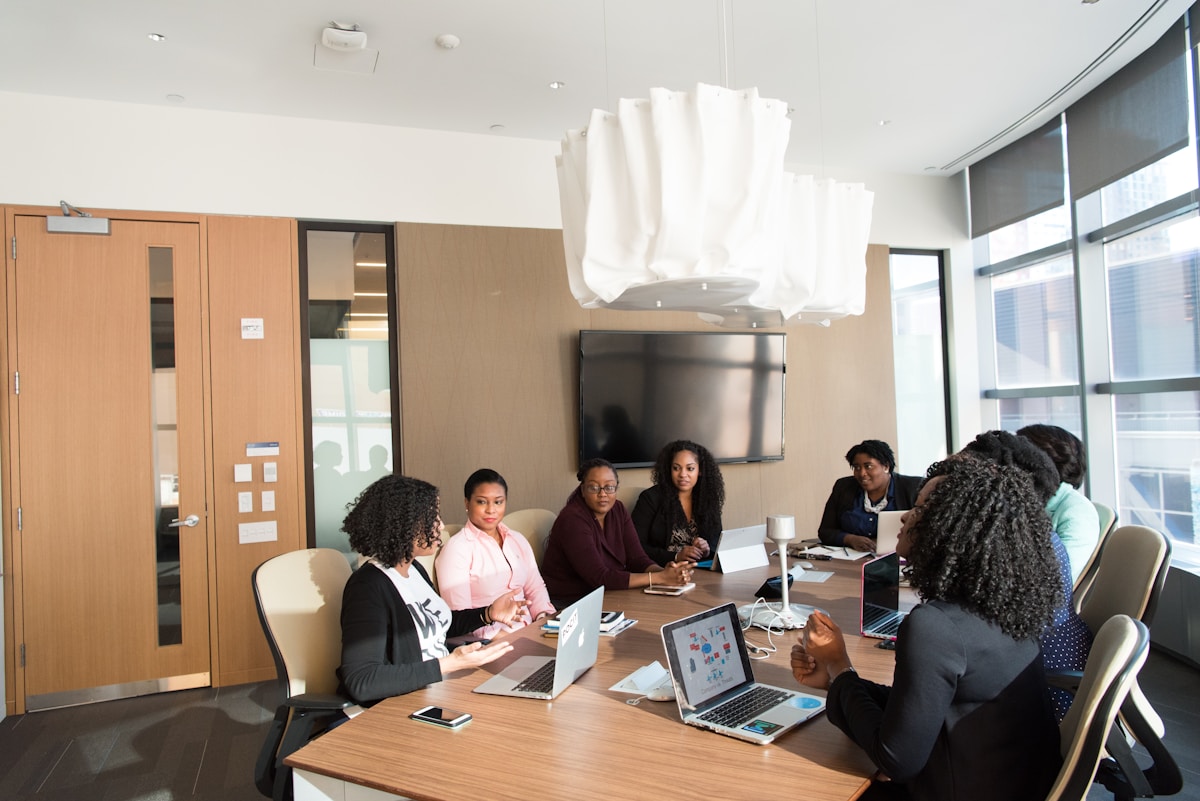
Header photo by Christina @ wocintechchat.com M on Unsplash

.png)
.webp)
“Thank you for setting the great foundation for my promotion; now I have a plan!"


Curious to see how AI Coaching can 10X the impact and scale of your development initiatives. Book a demo today for: